
How does professional development shape outcomes beyond academic performance and long-term student success?
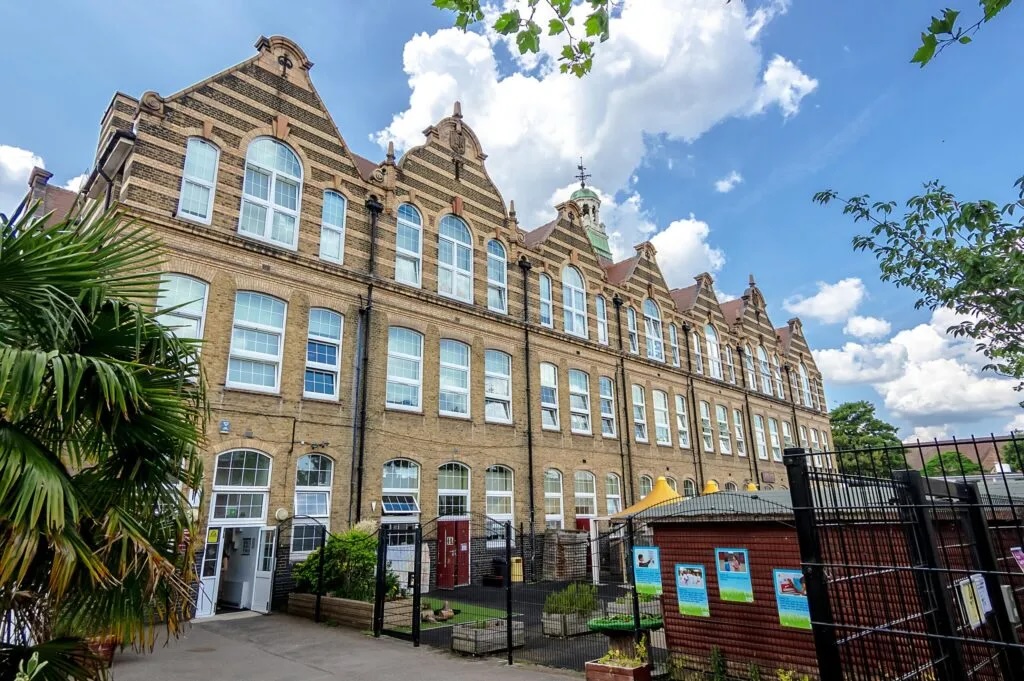
 The pursuit of academic excellence is incomplete without investing in teachers’ professional development. Only empowered educators can truly deliver what stakeholders, such as parents, demand—not just high test scores but holistic development. This is exactly what Uphall Primary School offers. It ensures that educators are continually supported so they can deliver high-quality teaching that inspires students to thrive beyond academics.
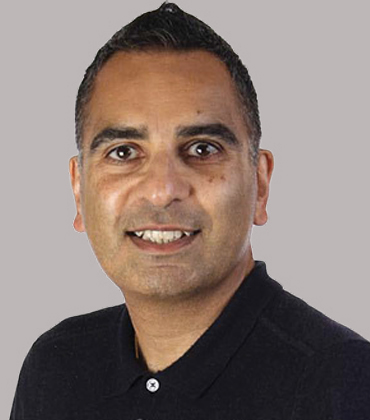
Led by its principal, Dr. Kulvarn Atwal, this diverse primary school, where 60 different languages are spoken, has been transformed from a failing institution, twice graded “requiring improvement” by Ofsted, to a performer with outstanding outcomes. This turnaround was achieved with the same teachers who were there during its lowest points, by virtue of what is mentioned in Dr. Atwal’s research as “learning-focused leadership.”
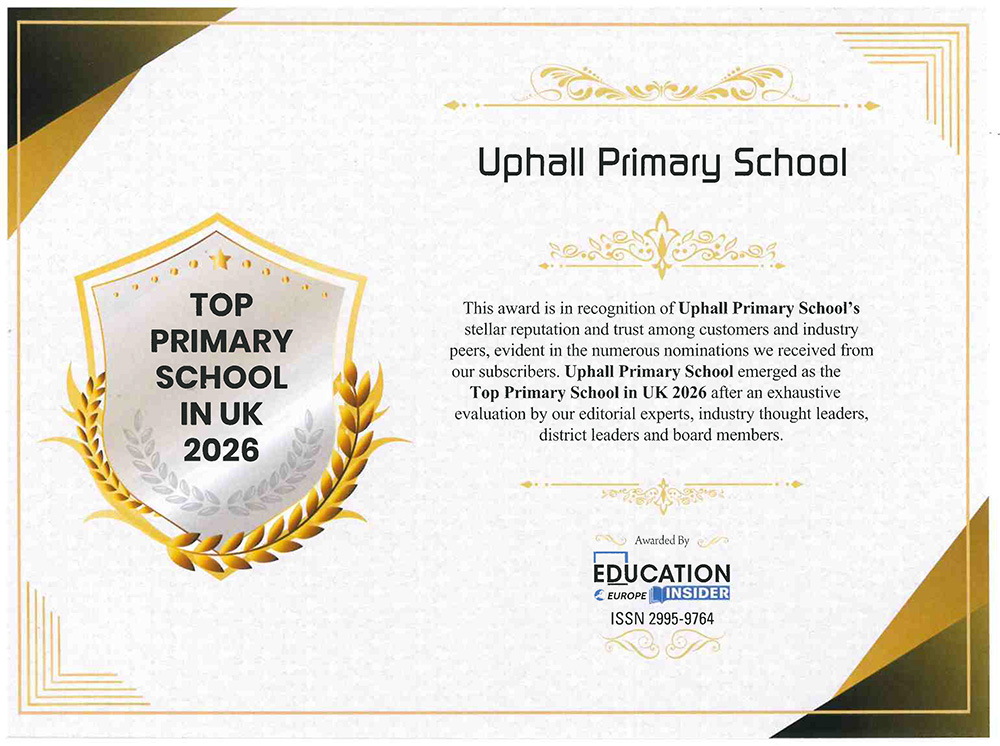
At its core, Uphall operates as a thinking school, where the principal’s energies are not wasted on administrative drudgery or isolated office work. It is channelled instead into creating an expansive learning environment for educators. This model addresses broader industry challenges, including a recruitment crisis that is bleeding talent across Europe and falling enrolment in London schools. Professional learning is the single most important factor impacting student outcomes, surpassing even home influences and socio-economic backgrounds. Uphall makes it a priority and delivers results that eclipse national averages.
We invest in our teachers’ learning, they feel valued, they do not burn out, and they stay.
For instance, 77 per cent of its students with disadvantaged backgrounds achieve the expected standard in reading, writing and math by age 11, compared to 47 per cent nationally. Even more striking, these students outperform advantaged children across the UK, proving the model’s efficacy. This narrative explores how Uphall’s investment in human potential creates a sustainable model of education that fosters agency, well-being, and long-term thriving.
Investing in Teacher Professional Learning
Why is teacher quality central to sustained school improvement across diverse learning communities?
What genuinely distinguishes Uphall is its uncompromising focus on teacher quality, based on the belief that the quality of education cannot exceed the quality of teacher development. Research consistently shows that teacher professional learning is often poor in most schools, representing an untapped resource with immense potential. At Uphall, Dr. Atwal shifts the paradigm by dedicating his role as principal to cultivating deep professional development, including master’s-level research, peer learning, lesson study, and coaching, all intended to improve student outcomes.
His distributed leadership model treats every staff member as a leader, granting them agency and responsibilities that allow decisions at the whole-school level. A 2016 study by Kraft and Papay, based in Chicago, found that average teachers accelerate improvement in their first two years but plateau by the third year. Uphall counters this stagnancy with a simple belief that every day offers a chance to become a better teacher and leader. This philosophy permeates the school, ensuring continuous growth rather than acceptance of mediocrity, as seen in other industries. The investment logic here is clear and yields measurable ROI.
Funding 60 per cent of teachers’ master’s degrees might seem extravagant, but Dr. Atwal calculates that the cost per module equates to just three days of cover teacher pay. In return, this investment boosts teacher confidence, inclusion, and well-being, leading to reduced sickness absences and higher empowerment. Over 13 years at Uphall and Highlands (the two schools in The Thinking Schools Federation), there has been a total spend of only £28 on advertising and recruitment for an office role. All because of a waiting list of eager educators drawn to an environment that appreciates their growth.
“We invest in our teachers’ learning, they feel valued, they do not burn out, and they stay,” says Dr. Atwal.
“Achieving 60 per cent learning for children with strong foundational skills is easy, but only exceptional teachers can adaptively engage a 100 percent. Our dialogic approach precisely accomplishes this, fostering deep understanding and meaningful interaction.”
Partnerships with local universities and initial teacher training providers further insulate the school from the talent drain, with 10 student teachers currently on site, many of whom are already inquiring about future jobs. This “teaching school” ethos, where staff feels part of a collaborative team rather than isolated, directly translates to retention and recruitment advantages.
By removing surveillance management and emphasising voice and agency, Uphall creates a virtuous cycle. Empowered teachers deliver superior teaching, which in turn drives exceptional student results and school stability. This cultural shift fosters a culture of risk-taking and reflection that benefits everyone.
Rights-Respecting Framework and Action Research
How does a rights-respecting framework influence classroom culture and behaviour?
Uphall’s operational framework elevates values from mere wall posters to active management tools, as exemplified by its UNICEF Gold Rights-Respecting status, which places children’s rights at the heart of school life. This rights-first approach shifts behaviour from punitive rules to dialogue between duty bearers and right holders, fundamentally altering classroom dynamics and economics.
Real-World Transformations and Future-Proofing Education
How is the model extending impact locally and internationally sustainably?
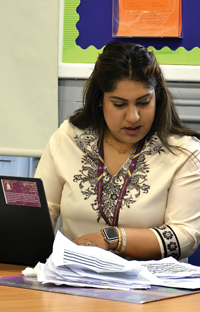 At Uphall, slice teams, cross-sectional groups including office staff, leaders, teachers, and learning coaches or teaching assistants, drive initiatives like rights-respecting practices and coaching, fostering empathy by bridging organisational experiences. And the ultimate proof of this model’s success is evident in its compelling case studies and community engagement. Uphall leads London’s Talk Matters program under the Mayor’s Violence Reduction Unit, hosting learning walks for schools across boroughs to observe dialogic teaching. Its partner school, Highlands, won the Mayor’s Schools for Success award five years running for the highest progress among low prior attainers.
Internationally, Dr. Atwal coaches leaders at a Luxembourg school, exporting the model’s focus on teacher learning for high outcomes. Community ties further fuel growth. An open-door policy includes half-term parent forums, cultural days celebrating diversity, and events like the annual Winter Wonderland, where alumni return as part of the “Uphall family.” This emphasises holistic development—academic, personal, social, and emotional—building self-esteem and a growth mindset where effort trumps ability.
Besides, word of mouth from supportive parent forums drives enrolment stability amid London’s declining rolls, with families valuing the school’s humane impact. Dr. Atwal’s architect leadership rejects the typical failing-school response of increased pressure, power, and monitoring, which erodes agency and induces stress. Instead, it empowers teachers for long-term sustainability, ensuring that success stems from cumulative excellence across all years, not just final exams.
Uphall’s model is not merely pedagogical. It represents a necessary step forward for schools. By emphasising teacher empowerment and humane structures, it shows that prioritising learning over performance paves the way for a space where both the providers and receivers of education grow and thrive together. As Dr. Atwal states, “In the Thinking School, we create a learning organisation, not a performance organisation. I want to create an environment in which every adult and every child can succeed.”
In the Thinking School, we create a learning organisation, not a performance organisation. I want to create an environment in which every adult and every child can succeed.

 Adults as duty bearers model respect, care, and kindness in their interactions, teaching children, the right holders, that respect is learned through demonstration, not sanctions or punishment. Mistakes become learning opportunities for reflection; ensuring children retain rights like leisure time while growing responsibly. Core values of kindness, respect, responsibility, friendship, perseverance, justice, and empathy are woven into daily life, with weekly Monday assemblies exploring articles from the United Nations Convention on the Rights of the Child. This culture enables children to self-regulate, entering assemblies or moving around the school without adult supervision, as noted in Ofsted inspections praising their exceptional behaviour and ability to articulate school values.
Consequently, staff redirects energies from discipline to high-impact teaching, turning around inherited challenges in safeguarding and reputation. Complementing this, Uphall serves as a centre for action research, where teachers engage in reflective adaptation beyond the national curriculum to meet every child’s needs inclusively.
This method prioritises pupil talk over teacher monologue, encouraging interthinking, building on ideas, and learning from misconceptions. Teachers engage in deep reflection in action during lessons and after, through master’s research, collaborative teams of high challenge and high trust, and coaching. As the “principal learning leader,” Dr. Atwal teaches challenging Year 6 math groups himself; adapting professional development to individual needs, from early-career teachers to veterans. He ensures inclusivity, with dialogic pedagogy acting as the “glue” that binds the community, fostering deep understanding and meaningful interaction.
“Achieving 60 per cent learning for children with strong foundational skills is easy, but only exceptional teachers can adaptively engage a 100 percent. Our dialogic approach precisely accomplishes this, fostering deep understanding and meaningful interaction,” Dr. Atwal explains.
